Contemporary vs Modern Style Differences
Contemporary vs Modern Style is one of the most misunderstood design terms online. The overlap is real and the confusion gets louder as trends keep evolving. But once you understand what’s the difference between these two distinct design styles, everything about interior design becomes easier, more intentional, and way more aligned with your personal style.
In the design world, the terms modern and contemporary refer to two distinct design styles. Modern design refers to a specific period in history while contemporary design evolves with the moment. Knowing the difference between modern and contemporary gives you clarity when planning a modern home, selecting furniture design pieces, or curating a contemporary interior that feels authentic.
If you love home design and want to elevate your decorating style, mastering this distinction is a strong first step.
What Is Modern Style
Modern style is the design rooted in a specific historical style. It is directly tied to early and mid twentieth century influences such as German Bauhaus design, midcentury modern silhouettes, and functional design principles.
Modern design emphasizes clean lines, minimalism, and natural materials. The color palette stays neutral color driven with whites, blacks, beiges, and calm tones that support open space and visual balance.
Modern interior design is all about function over excess. You’ll see modern furniture with simple silhouettes, modern decor with minimal ornamentation, and a modern interior setup designed for effortless flow. Modern and contemporary styles may overlap, but modern is a specific period with stable rules.
Design elements common in modern spaces include a consistent color palette, natural materials, and clean lines. Modern style focuses on utility and calm structure. Unlike modern styles that evolve, modern is fixed in time. If you want to build a modern workspace that reflects these design elements, check out the guide to the best wood for desktop. Natural materials are central to modern living and the right surface can elevate your entire setup.
You can also lean into functional design with this walkthrough on How to create a minimalist workspace. Minimalist design aligns perfectly with modern interior goals and adds clarity to your daily workflow.
What Is Contemporary Style
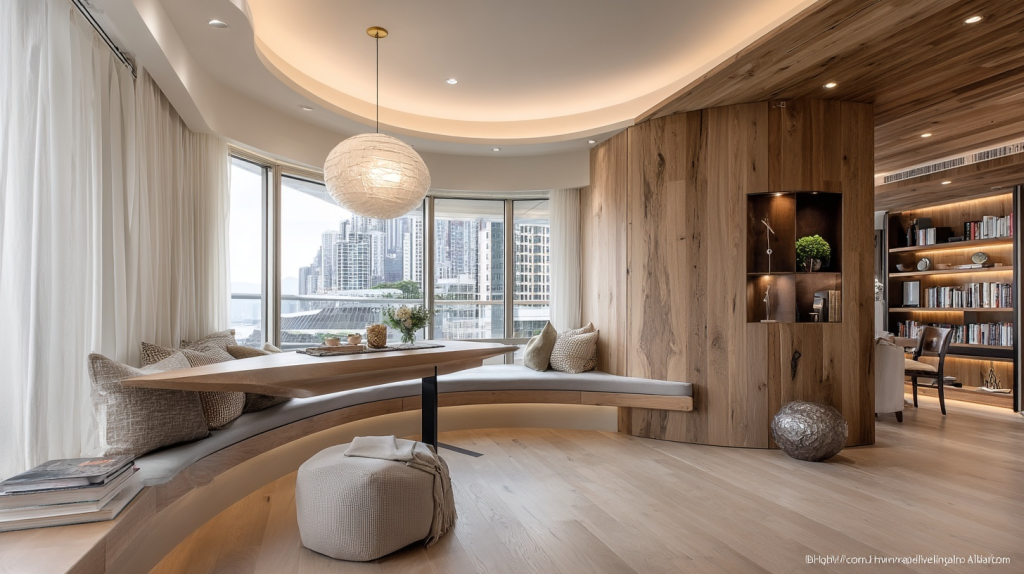
Contemporary style is a fluid style that reflects the moment. It is always evolving and shaped by current design trends. Contemporary interior design is not tied to a specific period. Instead it blends influences from modern, minimalist, Scandinavian design, art deco, and even futuristic textures.
Contemporary design often plays with curved forms, layered lighting, mixed textures, new materials, and contrast driven color palette choices. The result is a contemporary space that feels expressive and adaptive. If you are designing a contemporary home and need seating options that blend smoothly into a contemporary interior, explore these luxury sofas.
For a balanced piece that works in modern and contemporary spaces, the Timeless sofa delivers clean lines with updated forms that adapt to both styles.
Contemporary vs Modern Differences
When comparing modern vs contemporary or comparing modern vs contemporary interior, the distinctions become clear once you break them down.
Timeline and Historical Context
Modern is a specific period. It is a specific historical style defined by midcentury modern influences and Bauhaus origins. Contemporary design evolves and responds to the moment. The difference between modern and contemporary lies in how fixed one is and how fluid the other stays.
Color Palettes
Modern interior choices stay loyal to neutral color designs. Contemporary design often experiments with current color palette trends. Neither style is limited but modern design emphasizes simplicity while contemporary design often layers tones for contrast.
Furniture and Layout
Modern furniture stays structured with predictable silhouettes. Contemporary elements lean into curves, unique forms, and design trends. Modern interior layouts prioritize clean lines while contemporary interior can be more expressive.
If you want to blend pieces across these two styles, this guide on how to mix furniture styles helps you navigate the overlap without creating chaos.
Materials Used
Modern interior design highlights natural materials. Contemporary design introduces metals, glass, textured fabrics, and emerging finishes. Design elements common to modern vs contemporary interior design differ because one honors tradition and the other embraces innovation.
When choosing between modern and contemporary, think about whether you prefer authenticity tied to a specific period or a style that reflects current culture.
Overall Vibe and Mood
Modern interior feels calm, balanced, and grounded. Contemporary interior feels bold, dynamic, and expressive. These two styles look similar but the key differences between modern and contemporary stem from intention and emotional tone.
Even contemporary interior design styles borrow from modern roots because modern is a precursor to contemporary design. But contemporary design often evolves into something more experimental.
If your space uses leather seating, this guide on how to take care of leather furniture can help keep your pieces looking fresh no matter the style.
You can also extend your furniture longevity with this practical walkthrough on how to care furniture.
Which Style Is Right for You
Choosing between modern and contemporary depends on how you live, how you think, and how you want your space to feel.
If you enjoy structure, symmetry, and design features rooted in history, modern style is the design choice that will feel natural. Modern is a specific period with clear rules. It offers predictability.
If you prefer a style that reflects current culture, changing moods, and ongoing innovation, contemporary design style is best suited for you. Contemporary design often embraces experimentation and flexibility.
Your personal style will guide the decision. Think about your color palette comfort zone, your attraction to clean lines or sculptural shapes, and whether you prefer modern or contemporary energy.
Can modern and contemporary styles be combined
Yes. Modern and contemporary design can blend beautifully. Many modern and contemporary homes find balance by mixing natural materials from modern with trend focused accents from contemporary. You just need harmony across your design elements.
Which style is more timeless
Modern is considered more timeless because it is tied to a specific period with established principles. Contemporary will always be considered contemporary only in the present moment.
Is contemporary more expensive to achieve
Not always. Contemporary can be affordable or luxury depending on the materials and furniture. Transitional design can also bridge both styles if you want a hybrid approach.
For more home design inspiration, browse Hold It Home: