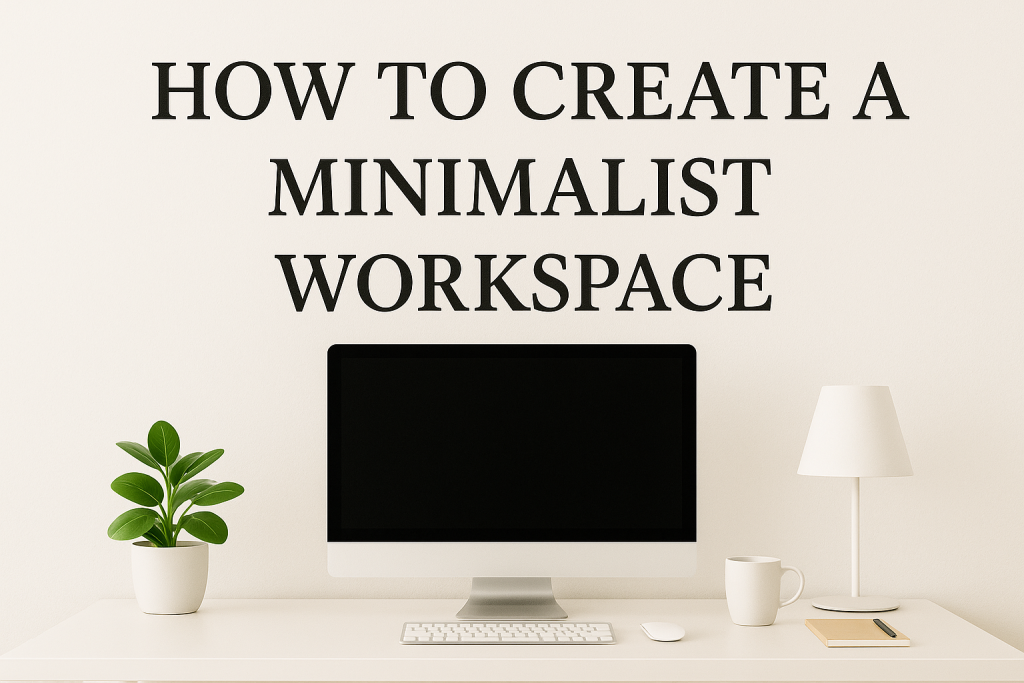
How to Create a Minimalist Workspace: A Step-by-Step Guide for Luxury
In today’s increasingly remote world, the concept of how to create a minimalist workspace is more relevant than ever. As we spend more time in our home office, our surroundings have a direct impact on our productivity, creativity, and overall well-being. Minimalism is not just a design trend, it’s a lifestyle choice that can transform your workspace into a peaceful, clutter-free environment that allows you to focus on what truly matters.
Adopting a minimalist approach involves stripping down your workspace design to the essentials. It means eliminating visual distractions, organizing your office supplies, and only keeping items that serve a purpose or bring joy and inspiration. Whether you’re in a studio apartment or a spacious home, the following guide will help you create a minimalist office that boosts your performance and improves your mindset.
Step 1 – Declutter Ruthlessly
The foundation of a minimalist workspace is to declutter, both physically and digitally.
Audit Your Current Setup
Start by analyzing your desk setup. What items are helping you? What’s collecting dust? Remove piles of paper, broken tools, or unnecessary personal items that don’t contribute to your workflow.
What to Keep vs. Remove
Keep only essential items like a stapler, file folders, digital devices, and desk organizers. If something doesn’t help you work or make your space feel inspiring, return it, donate it, or recycle it. Even a file cabinet full of outdated documents adds mental clutter and reduces efficiency.
Digital Decluttering Tips
Don’t forget your digital workspace. Delete unused apps, sort files into clearly labeled folders, and streamline your to-do list tools. This helps prevent digital clutter from accumulating, allowing your mind to focus.
Step 2 – Choose the Right Furniture
Minimalist furniture should be ergonomic, simple, and aligned with your personal style. Look for clean lines, muted materials, and functionality.
The Right Desk and Chair Combo
Choose a desk with a streamlined design that includes built-in organizer options or storage compartments. Your desk surface should be large enough for essentials but small enough to discourage clutter. Pair it with ergonomic chairs that support long hours of sitting and help maintain a peaceful environment.
For more insight on how furniture interacts with your room’s tone, this guide explains whether furniture should be darker or lighter than walls.
Step 3 – Use Smart Storage Solutions
A clean desk isn’t just visually appealing—it enhances your productivity and prevents visual clutter from creeping in.
Hidden Storage and Organizers
Invest in cable management tools, drawer dividers, or minimalist bookshelf units. Use a compact folder system for documents or a small file cabinet for items you must retain.
Embrace a “Clean Desk” Policy
At the end of every workday, return items to their designated space. This daily practice helps maintain a clutter-free workspace and sets you up for success each morning.
To further refine your space, consider how minimalist design principles also apply in the living room, see how to decorate a small living room for inspiration on small-space solutions.
Step 4 – Limit Decor to Essentials
One of the core principles of minimalism is intentionality. Every item in your workspace should serve a purpose or inspire.
Aesthetics that Enhance Your Workflow
Stick to neutral tones like beige, white, or soft grays to maintain a minimalist ambiance. Add texture through materials like wood or stone, and keep surfaces free of excess clutter.
Thoughtful Touches
Incorporate one photo or a small plant to personalize your space. A single framed print or a ceramic piece can elevate your workspace without overwhelming it. Use this principle of simplicity as explained in how to decorate a living room.
Step 5 – Optimize for Lighting and Focus
Lighting can make or break a workspace. Aim to enhance your workspace with options that reduce eye strain and create a productive atmosphere.
Natural vs. Task Lighting
If possible, position your desk near a window for natural light. Otherwise, invest in minimalist task lighting that reduces glare and improves visibility.
Sound and Distraction Management
Noise-canceling headphones, soft music, or a white noise machine can reduce distractions. Eliminating superfluous decor and digital pop-ups also minimizes interruptions and keeps you focused.
Bonus Tips for Building a Minimalist Workspace
- Transform your workspace with digital tools that streamline your tasks.
- Prioritize what goes on your desk, leave only what you truly need.
- Curate your workspace like a gallery: intentional, calm, and organized.
- If you’re uncertain where to start, follow guides like how to choose living room furniture for structure and flow.
Why Embracing Simplicity Works
Minimalism encourages us to spend less, reduce stress, and boost clarity. By simplifying your environment, you’re allowing your mind to reset and your creativity to thrive. In a world overloaded with content and consumerism, building a minimalist office offers you mental space and clarity.
It’s not just about aesthetics. It’s about being intentional in every detail, align your work style with your environment, and you’ll naturally find that productivity and motivation follow.
You don’t need to overhaul everything in one day. Begin by clearing your desk surface, reassessing each item, and slowly integrating changes that align with your needs. As you build a minimalist environment, you’ll find yourself not only more efficient, but also more at peace.
And remember, whether you’re selecting furniture or planning your layout, the key is to make your space work for you not the other way around.