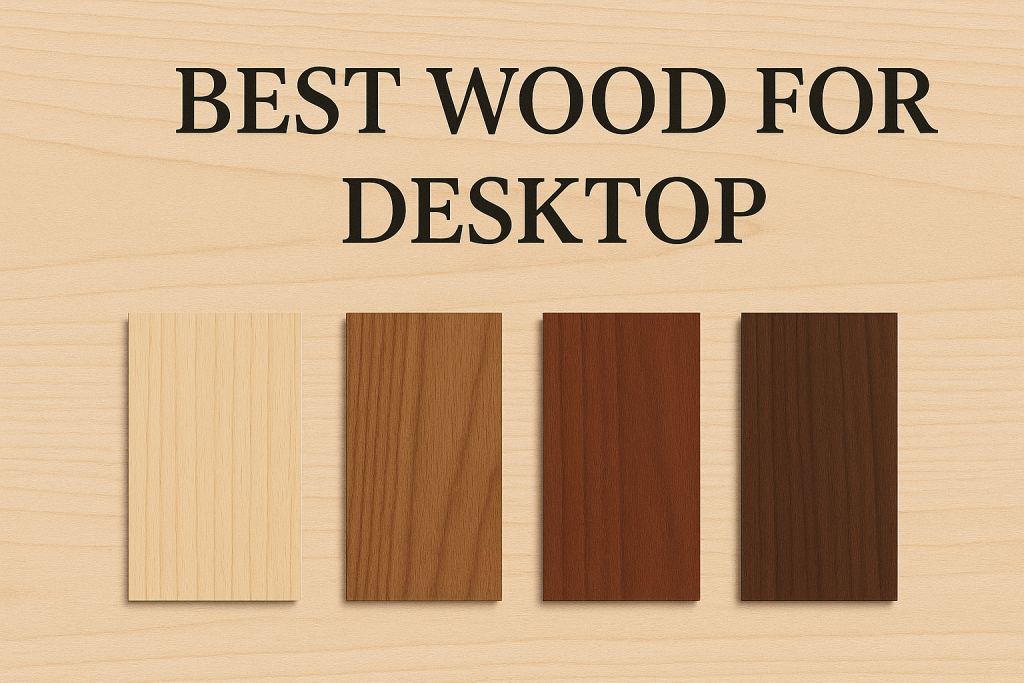
Best Wood for Desktop: A Complete Guide to Choosing the Right Material
Choosing the best wood for desktop projects goes beyond just aesthetics. The type of wood you select will determine the durability, functionality, and even the overall experience of using your desk, whether it’s a home office setup, a standing desk, or a custom computer desk. With so many wood types available, from solid wood to engineered wood, it’s essential to understand what each material offers.
In this guide, we’ll help you navigate the most popular wood choices for wooden desk projects, their pros and cons, and which materials work best for different purposes. Whether you want a premium solid wood desk or a DIY desktop solution, we’ve got you covered.
Why Wood Selection Matters for Desktops
Not all wood materials are created equal, especially when it comes to building or buying a desk top. The desktop material you choose will impact:
Durability
Can it handle wear and tear or heavy items like monitors and printers?
Aesthetics
Does it provide the look you’re going for modern, rustic, warm?
Workability
Can you cut or modify the wood for a standing desk or custom shape?
Cost
Is the wood affordable and easy to source?
Finish and maintenance
Does it require sealing, oiling, or special care?
Let’s look at the types of wood for desktops, starting with hardwoods.
Hardwoods: Long-Lasting and Beautiful
Walnut
A top contender for premium wood desks, walnut wood is known for its rich, dark grain and elegance. It’s a dense wood with excellent strength and a luxurious look, often used in high-end furniture. Walnut is one of the best wood types for those looking for a touch of elegance in their office desk.
Maple
Maple is a very hardwood with a smooth, pale surface. It’s a popular choice for desktops thanks to its fine grain and excellent resistance to dent marks. It also accepts staining well, making it ideal for custom finishes.
Oak
Hardwoods like oak are traditional and extremely durable. White oak, in particular, is resistant to moisture, making it perfect for desk construction. Its strong grain pattern adds character and longevity to any wood desk top.
Cherry
Cherry wood matures beautifully over time, transitioning into a deep reddish tone. This natural wood is often used in furniture making due to its warm color and consistent grain.
Ash
Ash is lighter in tone and more affordable than walnut or cherry. It’s still a hardwood, which means it’s strong and suitable for long-term use—a great pick if you’re looking for the best wood for a standing desk on a budget.
Softwoods: Budget-Friendly Options
Pine
Pine wood is a soft, inexpensive material. It’s lightweight, easy to work with, and widely available. However, its softwood nature means it dents easily and may not be the best material for heavy-use wooden furniture.
Fir
Fir features a straight grain and a clean look. While it has slightly better resistance to dent marks than pine, it’s still considered a budget option. It’s useful for temporary setups or DIY desktop projects.
Engineered and Alternative Materials
Plywood
Made by compressing thin sheets of wood, plywood is stable, affordable, and ideal for custom shapes. It’s a popular wood for table tops, especially when combined with a hardwood veneer.
Butcher Block
Butcher block offers a warm, rustic look and is a top material for many DIY desk builds. It often uses glued strips of different wood types like oak and birch, making it sturdy and visually dynamic.
MDF with Veneer
Medium-density fiberboard (MDF) covered with wood veneer is a low-cost choice. It offers a smooth finish but lacks the strength of solid wood, making it less suitable for long-term use or heavy use applications.
Best Wood for Different Use Cases
For Premium Desks
If you’re building a luxury solid wood desk, choose walnut, maple, or cherry. These offer superior strength and unmatched elegance. They’re wood known for furniture pieces and high-end furniture.
For Budget DIY Builds
Pine, fir, or plywood are smart options if you need a desk without breaking the bank. Just be aware of their lower durability and susceptibility to dent marks.
For Standing Desks
The best wood for a standing desk combines strength and weight. Ash, oak, and butcher block are all making them ideal for adjustable setups. Their structure supports desk tops that move without warping.
For Staining & Finishing Projects
Maple and cherry are great if you want to apply your own finish. They absorb stain beautifully, allowing for a custom look that complements your home office or office furniture.
Factors to Consider When Choosing Wood for a Desktop
1. Durability
Will your desktop support heavy gear? Choose hardwoods or engineered wood designed for desk construction.
2. Grain and Appearance
Do you want bold patterns or a minimalist look? Woods like oak have strong grains, while maple and walnut are more subtle.
3. Workability
For a DIY build, choose wood that’s easy to cut and sand. Pine and plywood are beginner-friendly.
4. Finish and Maintenance
Some wood products need regular oiling (e.g., butcher block), while others like MDF require less upkeep.
5. Cost
Expensive wood like walnut may be out of budget, but you can achieve similar results with veneered plywood.
Comparison Table Highlighting Types of Wood for Desktops
| Wood Type | Durability | Appearance | Cost | Best Use Case |
| Walnut | High | Dark, elegant | $$$ | Premium desks |
| Maple | Very High | Light, smooth | $$ | DIY & premium |
| Oak | High | Grainy, classic | $$ | Standing desks |
| Cherry | Medium | Warm tones | $$$ | Staining projects |
| Ash | High | Light, affordable | $ | Budget & standing |
| Pine | Low | Light, soft | $ | Entry-level DIY |
| Fir | Low-Medium | Straight grain | $ | Temporary desks |
| Plywood | Medium | Varies | $ | Custom shapes |
| Butcher Block | High | Warm, rustic | $$ | Standing & DIY |
| MDF + Veneer | Low | Smooth | $ | Budget setups |
Additional Interior Design Tips for Wood desktop Workspace
Your choice of wood desktop should match your interior style. If you’re styling a new space, consider these guides:
- Should furniture be darker or lighter than walls
- How to decorate a living room
- How to decorate a small living room
- How to choose living room furniture
These resources can help ensure your wooden desk doesn’t clash with surrounding furniture in general or wall tones.
Whether you’re trying to make a desk, build a desk from scratch, or simply replace your desktop, choosing the right wood is essential. From bamboo desks to solid core doors, there’s a wide range of wood species and materials to explore. By making an informed decision, you’ll ensure your wood desk stands the test of time—both structurally and stylistically.
Choosing the right wood for your desktop depends on how you plan to use it. Think about your daily tasks, environment, and budget. Are you using the desk in a home office, as an office desk, or for crafting or gaming? Your answers will lead you to the best wood for desktops in your specific context.