18 Types of Interior Design Styles
If you are planning a refresh, moving into a new place, or starting a full design project, understanding the main types of interior design styles gives you instant clarity. Instead of doom-scrolling design ideas and saving everything, you can quickly spot patterns, build a direction, and communicate what you want in a way that actually makes sense to you and your interior designer.
The reality is that most interiors today are not “one style only.” People blend old and new, mix textures, and borrow design elements from different aesthetics. But learning the foundation of each interior design style helps you create cohesion, define a palette, and avoid buying furniture pieces that look great alone but feel random together. This guide breaks down the most popular interior design styles with visuals to look for, signature characteristics, and the spaces they fit best so you can decorate your home with confidence.
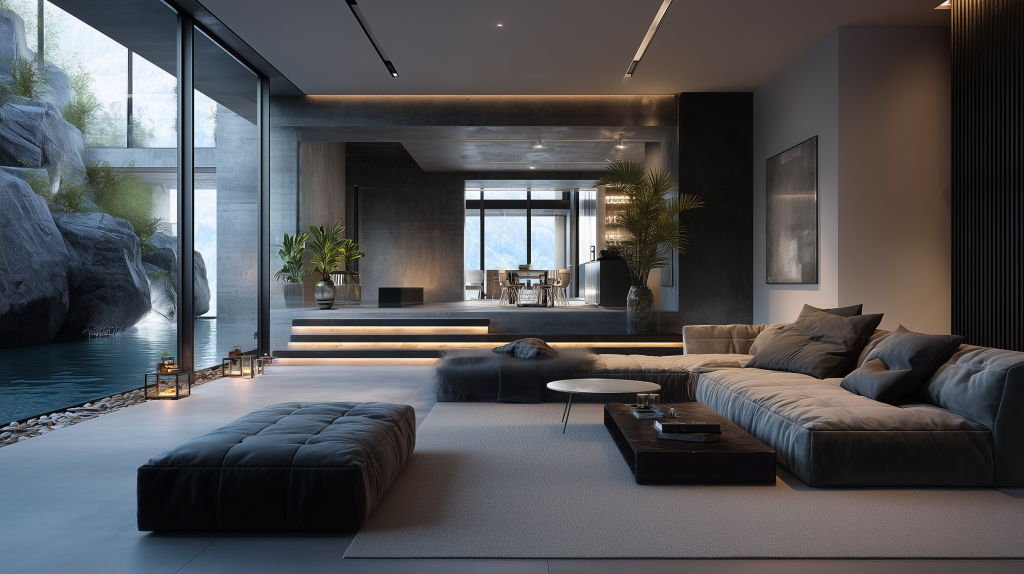
Modern
Modern design is all about clean lines, functionality, and a calm, intentional vibe. It often leans into neutral tones and a neutral color palette, with minimal ornamentation and a focus on form and function.
Characteristics
- Simple silhouettes and streamlined furniture design
- Neutral tones with high-contrast accents
- Open layouts that feel airy and structured
Best for
- Modern interiors, condos, and minimalist-friendly layouts
- Anyone who wants a tidy, refined interior without visual noise
Contemporary
Contemporary interior design style is about what is happening now. It is fluid, flexible, and trend-responsive, meaning contemporary design is ever-evolving. Think sleek profiles, softer edges, and comfort-forward furniture and decor that still feels elevated.
Characteristics
- Curved shapes, mixed materials, and statement lighting
- Balanced comfort with polished finishes
- Updated color palettes that change over time
Best for
Homes and commercial spaces that want a current, editorial look
People who like refreshing decor styles every few years
If you are still unsure where modern ends and contemporary begins, this quick guide on contemporary vs modern style lays out the differences clearly.
Traditional
Traditional interior design is rooted in styles from the 18th and 19th centuries, especially European influences. It is known for symmetry, rich wood tones, and an “established” feel that signals timeless elegance.
Characteristics
- Classic furniture, layered textile accents, and formal layouts
- Rich finishes, warm wood, and detailed trim
- Coordinated decor with balanced repetition
Best for
- Formal living rooms, dining rooms, and traditional interiors
- Anyone drawn to traditional style and heritage-inspired spaces
This is a true traditional interior design style: classic silhouettes, deep wood tones, and curated furniture pieces that feel collected, not trendy.
Minimalist
Minimalist interior design is the “less is more” school of interior. It favors intentionality, light, space, and the removal of excess. Minimalism can be cozy, but it is always edited.
Characteristics
- Limited palette, often monochrome or neutrals
- Strong focus on function, negative space, and flow
- Very few decor items, but each one is meaningful
Best for
- Small apartments, busy households, and serene bedrooms
- People who want fewer distractions and easier upkeep
If you want practical steps to translate minimalist design into real life, check out how to create a minimalist workspace for a structured approach that works.
Mid-Century Modern
Mid-century modern blends retro charm with modern simplicity. Popular in the middle of the 20th century (especially the 1940s–60s), it features tapered legs, organic shapes, and functional forms.
Characteristics
- Warm woods, clean geometry, and iconic furniture pieces
- Graphic patterns, low profiles, and airy spacing
- A balance of old and new styling
Best for
- Living rooms, offices, and open-plan interiors
- Anyone who loves vintage markets and classic modernism
Want to get it right without going full time capsule? Here is a helpful guide on how to style mid century modern that keeps it current.
Scandinavian
Scandinavian interior design style prioritizes light, comfort, and simplicity, often connected to the cozy “hygge” vibe. Scandinavian design is functional and warm, using pale woods, white walls, and soft textile layers.
Characteristics
- Light woods, clean shapes, and minimal clutter
- Soft textures, cozy throws, and subtle patterning
- Bright spaces with practical storage
Best for
- Bedrooms, living rooms, and family-friendly spaces
- Anyone who wants airy interior design with cozy impact
Scandinavian can overlap with minimalist, but it usually feels softer and more inviting thanks to layered textiles and warmer materials.
Industrial
Industrial style pulls from warehouses and urban lofts, spotlighting raw finishes like exposed brick, concrete, and metal. Industrial design is about structure and authenticity, not polish.
Characteristics
- Exposed pipes, beams, and unfinished textures
- Metal, reclaimed wood, and utilitarian furniture
- Neutral tones with darker accents
Best for
- Lofts, studios, and modern renovations
- Anyone into bold design elements and architectural edge
This aesthetic is a great example of different design styles that look dramatic but still function well daily.
Bohemian (Boho)
Bohemian design is creative, relaxed, and layered. It blends global inspiration, color, and pattern to create a lived-in vibe that still feels intentional.
Characteristics
- Eclectic mix of textiles, rugs, and handmade decor
- Plants, warm lighting, and collected objects
- Bold patterns and playful color palettes
Best for
- Bedrooms, creative studios, and cozy living rooms
- People who want personal expression over perfect matching
- Bohemian is one of the unique interior design styles because the “rules” are flexible, but cohesion still matters.
Farmhouse
Farmhouse interiors combine rustic charm with cozy comfort. It is often associated with modern shows, and modern farmhouse adds cleaner lines and a lighter palette to the classic farmhouse look.
Characteristics
- Shiplap, distressed woods, and soft neutrals
- Cozy seating, practical layout, and family-ready decor
- Vintage-inspired accents and simple shapes
Best for
- Kitchens, living rooms, and entire home styling
- People who want approachable home decor with warmth
A modern farmhouse approach works well when you want rustic character but still prefer a cleaner layout.
Rustic
Rustic interior design emphasizes natural materials, earthy tones, and cabin-like warmth. Rustic design often features stone, wood, and handcrafted textures.
Characteristics
- Wood tones, stone, and organic finishes
- Cozy layers and rugged textures
- Warm, grounded palette choices
Best for
- Mountain homes, cabins, and cozy dens
- Anyone who wants a grounded interior with comfort-first energy
Rustic can pair beautifully with industrial for a bolder, more modern twist.
Coastal
Coastal style is light, breezy, and beach-inspired without feeling like a souvenir shop. The goal is relaxed comfort with airy textures like rattan and linen.
Characteristics
- Blues, whites, sandy neutrals, and soft color palettes
- Light woods, woven accents, and easygoing decor
- Bright interiors that feel open and calm
Best for
- Living rooms, sunrooms, and vacation homes
- Anyone who wants indoor-outdoor living energy without moving to the beach
Eclectic
Eclectic interior design style is a curated mix of patterns, eras, and materials. It is “balanced chaos” done with strategy, not randomness.
Characteristics
- Intentional mixing of styles, shapes, and decor
- Repeated colors or textures to maintain cohesion
- Contrast between old and new pieces
Best for
- Creative households and collectors
- Anyone who wants different design without it looking messy
- This style is ideal when you love elements from different spaces and want them to coexist.
Transitional
Transitional design is the bridge between traditional and modern. Transitional interior design style keeps classic silhouettes but updates them with cleaner finishes and simpler lines.
Characteristics
- Soft, neutral palette and gentle contrast
- Classic shapes with simplified detailing
- Comfortable, timeless furniture and decor
Best for
- Open concept homes and family spaces
- Anyone who wants classic comfort with updated polish
Art Deco
Art Deco is glamorous and geometric, with bold symmetry, metallic accents, and rich textures. An art deco interior design style often feels dramatic, luxe, and intentional.
Characteristics
- Geometric patterns, brass or chrome, and statement lighting
- Velvet, lacquer, and glossy finishes
- Bold accents within structured layouts
Best for
- Dining rooms, entryways, and accent-heavy spaces
- Anyone who loves high-impact decor with a vintage edge
Hollywood Regency
Hollywood Regency leans opulent, glossy, and dramatic. Think mirrored surfaces, velvet seating, and high contrast color palettes.
Characteristics
- Glam finishes (mirrors, lacquer, metallics)
- Bold contrast and plush textures
- Dramatic decor and curated statement pieces
Best for
- Formal entertaining spaces
- Anyone who wants luxury energy without going fully traditional
Japandi
Japandi combines Japanese minimalism with Scandinavian warmth. It is calm, functional, and texture-forward, blending wabi-sabi with hygge.
Characteristics
- Natural materials, warm neutrals, and simple forms
- Handcrafted textures, subtle imperfections, and calm flow
- Purposeful decor, not clutter
Best for
- Bedrooms, living rooms, and wellness-focused interiors
- People who want calm plus comfort
Maximalist
Maximalist interior is “more is more” done intentionally. Layers of pattern, bold color, art, and texture build a space that feels expressive.
Characteristics
- Layered patterns, bold palette choices, and statement decor
- Mixed eras, collections, and art-forward styling
- Strong identity and playful composition
Best for
- Creative spaces, libraries, and bold living rooms
- Anyone who wants their interior to feel like a personal gallery
Zen / Minimal Japandi
Zen / Minimal Japandi takes the calm even further, focusing on tranquility, uncluttered layouts, and soothing neutral tones.
Characteristics
- Natural textures, calm lighting, and minimal decor
- Quiet color palettes and soft transitions between spaces
- Flow-first layouts for a meditative interior
Best for
- Bedrooms, meditation corners, and minimalist homes
- Anyone prioritizing peace and simplicity
How to Identify Your Design Style
If you are trying to define your decorating style, start with what you naturally save. Pinterest boards, Instagram collections, magazines, and even hotel interiors can reveal patterns in your preferences. Then align those preferences with your lifestyle, your home layout, and how you actually use each room.
A quick checklist:
- Do you want calm or energy in your interior?
- Do you prefer sleek or cozy furniture pieces?
- Do you like symmetry (traditional design) or contrast (eclectic)?
- Do you lean neutral tones or bold color palettes?
This simple process builds your understanding of interior design styles fast, without overthinking it.
Can You Mix Interior Design Styles?
Yes, and it is usually the move. The key is cohesion. Think of it as interior design style blends that share common threads, like repeated materials, a consistent palette, or matching scale.
Tips to blend styles
- Choose one base style, then layer accents from another
- Repeat design elements (wood tones, metals, shapes) across rooms
- Keep color palettes aligned so the interior feels connected
- Use one “anchor” furniture piece per space to lead the vibe
Complementary pairings
- Modern + bohemian
- Rustic + industrial style
- Scandinavian + Japandi
- Transitional design + art deco accents
If you want a practical anchor piece for your living room while you blend styles, a timeless sofa can keep the space grounded while you experiment with decor.
Most Common Interior Design Styles Explained
These are the most common interior design styles you will see in popular interior design content today. Each one supports different design principles and different priorities, so pick what aligns with your life.
- Modern: clean lines, function-first, neutral color palette
- Contemporary: trend-responsive, soft edges, comfort + polish
- Traditional interior design: classic symmetry, rich woods, timeless elegance
- Minimalist: minimalism, edited decor, light and space
- Mid-century modern: retro silhouettes, warm wood, iconic forms
- Scandinavian: airy, cozy, light woods, soft textiles
- Industrial design: exposed materials, urban edge, strong structure
- Bohemian: layered textiles, global influence, relaxed decor
- Farmhouse style: cozy, rustic accents, modern farmhouse updates
- Rustic: natural materials, cabin warmth, stone and wood
- Coastal style: breezy neutrals, rattan, linen, light energy
- Eclectic interior design style: mixed patterns, personal expression, cohesion
- Transitional interior design style: classic meets modern twist
- Art deco: geometric glam, metallic accents, rich textures
- Hollywood Regency: dramatic luxe, mirrored finishes, velvet
- Japandi: warm minimalism, wabi-sabi + hygge
- Maximalist: layered patterns, bold expression
- Zen / Minimal Japandi: calm flow, soft neutrals, tranquil interior
If you are shopping and want your materials to match your style, details matter. For example, the surface choice for a desk can impact the whole interior vibe, and this guide on best wood for desktop is a smart reference if you are building a workspace that fits your interior design style.
Also, if you are styling a sofa setup and want an easy structure that works across different interior design styles, this breakdown on what is the 2-3 rule sofa is a clean framework to follow.
Conclusion
Interior design is personal, and the best interior design style is the one that supports your life and makes your space feel like you. Use these different interior design styles as your foundation, then remix them with intention. Explore decor, test color palettes, and notice what consistently feels right to you.
Your next step: build a quick mood board, shortlist 2–3 top interior design styles, and commit to a cohesive palette. When in doubt, keep your base consistent and let your accents do the personality. That is how you decorate your home with confidence and create a space that looks elevated, lived-in, and genuinely you.