How to Choose an Interior Design Style That Fits You Perfectly
Choosing an interior design style can feel like scrolling forever through so many gorgeous design styles and still not knowing what’s “you.” One minute you love scandinavian calm, the next you’re saving mid-century modern spaces, and suddenly you’re spiraling into the design world of endless options.
Here’s the reality: great interior isn’t about copying what’s trending. It’s about building a space that supports your lifestyle, reflects your personal style, and feels right day to day. This guide will help you find your interior design style with a clear process, practical decision-making, and design inspiration you can actually use.
By the end, you’ll have clarity on your decorating style, confidence in your design decisions, and a plan to decorate without overwhelm, even if you love many styles.
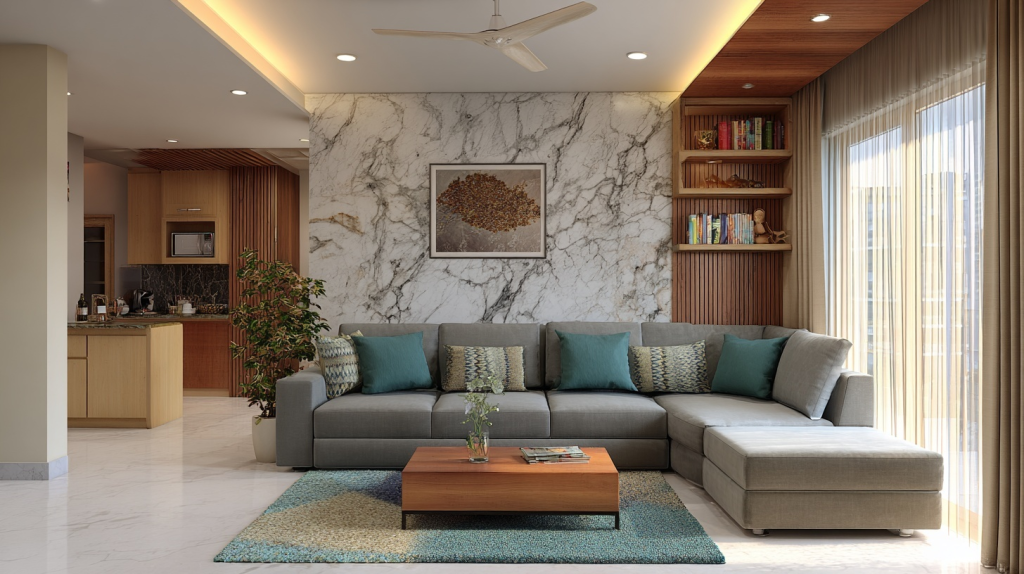
Step-by-Step Guide to Choosing Your Interior Design Style
1. Start with What Inspires You
Before you pick one specific style, start with what already catches your eye. Your saved Pins, Instagram collections, and screenshots are basically your brain’s design algorithm.
Do this:
- Scan your saves and pull out 20–30 images that feel “right.”
- Look for patterns in color palettes, materials used, and shapes.
- Notice whether you keep saving clean lines, warm wood tones, soft curves, or dramatic finishes like wrought iron.
Pro tip: create a Pinterest board or a mood board (digital or physical). A mood board helps you see your design elements together, so you’re not choosing from random one-off images. This simple approach to design turns scattered saves into real direction.
2. Evaluate Your Lifestyle and Needs
Your interior design style has to work for real life. Pets, kids, roommates, frequent guests, work-from-home schedules, all of that impacts what will feel good and what will feel like a constant battle.
Ask yourself:
- Do you need durable fabrics and easy-clean surfaces?
- Do you host often, or want a calm retreat?
- Are you practical-first, or vibe-first?
Here’s a quick Lifestyle Match checklist you can screenshot:
Lifestyle Match → Style Suggestions
- Kids/pets/high traffic → modern farmhouse, farmhouse style, scandinavian interior design style (durable, functional, cozy)
- Minimal clutter, focused routine → minimalistic style, modern design, minimalist-leaning design styles
- Love character + collected pieces → eclectic style, bohemian design, shabby chic
- Entertaining + statement moments → glam style, art deco, industrial style
If you’re also building a WFH setup, keep your interior consistent by aligning your workspace with the rest of your home decor. For a clean, functional starting point, check out how to create a minimalist workspace and borrow those design principles for the rest of your home.
3. Assess Your Space
Your interior matters, but so does your actual interior architecture: lighting, ceiling height, windows, layout, and existing finishes.
Evaluate:
- Natural light (bright vs moody)
- Layout (open plan vs segmented rooms)
- Architectural details (molding, arches, beams)
- Your anchors: flooring, cabinetry, and the main sofa
Some different interior design styles naturally perform better in certain spaces. For example:
- Open layouts often support airy boho style and coastal style.
- Homes with detailed trim can lean into traditional design and traditional style without feeling forced.
- Loft spaces often look best with industrial design and bolder materials.
- Your goal is not forcing one design style onto a space that doesn’t support it. Your goal is picking a unique design style that works with your home interior design.
4. Take an Interior Design Style Quiz
An interior design style quiz can be a smart starting point, especially if you’re stuck between various styles. The key is to use it as a directional tool, not a final label.
Why quizzes work:
- They reveal patterns in your preferences
- They narrow different design styles into a manageable shortlist
- They reduce decision fatigue
- Think of it like this: quizzes help you find the perfect jumping-off point, then your space and lifestyle finalize the call.
5. Identify Colors and Materials You Love
This is where your taste becomes tangible. Instead of obsessing over labels like “modern” or “rustic,” focus on the sensory choices that show up again and again.
Choose your non-negotiables:
- Warm woods vs cool tones
- Matte black vs brass metals
- Linen texture vs leather finish
- Smooth stone vs weathered grain
If you keep choosing airy shades, you may be aligned with a neutral color palette and a softer neutral base. If you prefer tactile finishes, prioritize natural materials and layered textures, including different textures like bouclé, rattan, reclaimed wood, and stone.
Want a deep dive into wood selection that supports your look? This guide on best wood for desktop is surprisingly useful for broader home design decisions too, especially if you’re choosing wood finishes across rooms.
6. Explore Common Design Styles (With Examples)
Let’s zoom out. Here are some popular interior design styles you’ll see everywhere, plus what to look for so you can identify them fast. (If you want a full guide, you can expand this into your own styles library later.)
Mini guide: 7 core styles
- Modern style: streamlined forms, fewer curves, intentional negative space
- Minimalist: edited down, calm, function-first
- Traditional style: symmetry, classic silhouettes, layered details
- Mid-century modern: iconic shapes, tapered legs, warm wood, timeless proportions
- Boho: relaxed, layered textiles, global patterns, personality-driven
- Farmhouse style: cozy, approachable, simple lines, worn finishes
- Scandinavian: light woods, practicality, soft warmth, calm palettes
If you’re confused by “modern” vs “contemporary,” you’re not alone. This breakdown of contemporary vs modern style helps clarify the difference so you can pick with confidence.
Mini comparison chart: quick identifiers
- Scandinavian design → light wood, soft neutral, functional forms, comfort-forward
- Traditional design → refined details, classic shapes, more structure
- Industrial style → exposed elements, metal finishes, utilitarian edge
- Rustic → rugged finishes, organic textures, rustic design energy
- Eclectic interior → curated mix, cohesive palette, intentional contrast
You’re not limited to these. There are also unique interior design styles like french country design and mediterranean interior design style, plus hybrids that reflect different cultures and artistic expressions across the design world.
If you want to explore luxury angles, use italian luxury furniture styles as a reference point for elevated forms and premium materials.
And if mid-century keeps showing up in your saves, you’ll love how to style mid century modern for actionable room-level styling ideas.
7. Don’t Be Afraid to Mix Styles
Mixing is not “wrong,” it’s often the most realistic way to land on a unique style, especially if you’re drawn to three styles at once. This is where style blends come in: transitional design, Japandi, eclectic, and other interior design style blends that create balance.
A strong mix follows design principles:
- Keep one consistent color palette across rooms
- Repeat shapes (arches, rectangles, rounded edges)
- Balance materials (wood + metal + soft textiles)
- Choose one anchor vibe, then layer accents
This is how design embraces individuality while staying cohesive. It’s also how you avoid the “showroom” look and build a home decor story that feels lived-in.
Need an easy anchor to unify mixed decor styles? Start with your main seating. A timeless sofa choice gives your interior instant structure and prevents the room from drifting. Here’s a solid reference: timeless sofa.
Also helpful: if you’re trying to size and style seating correctly, what is the 2-3 rule sofa explains an approach that makes proportions feel intentional, especially with a coffee table and area rug combo.
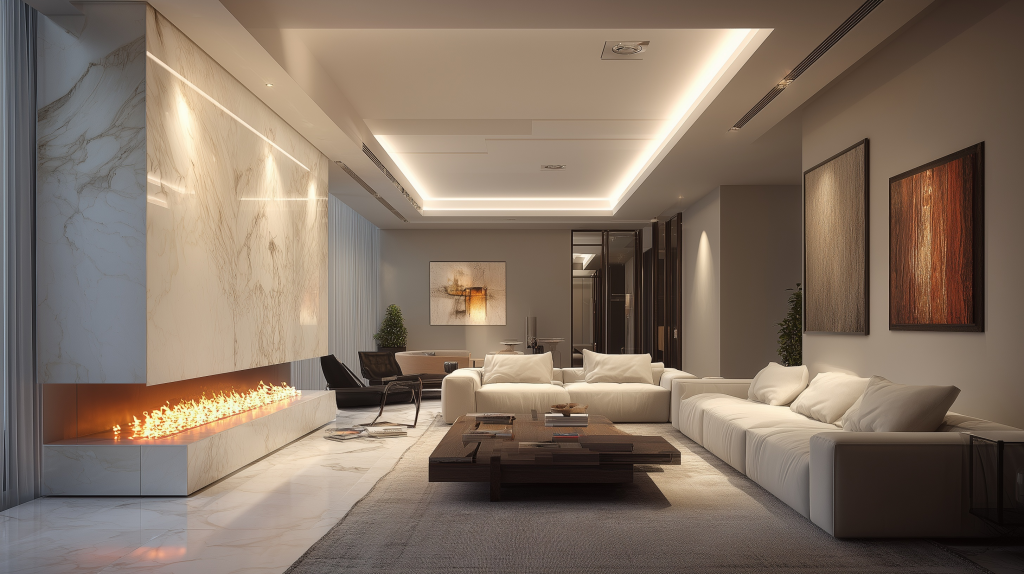
Tips for Staying Focused and Avoiding Overwhelm
If you’re trying to choose an interior design style and your brain is melting, this section is your reset.
- Limit your color palettes early. Pick 3–5 tones, then build from there.
- Choose 2–3 core materials used in most rooms (example: oak, linen, matte black).
- Avoid copying popular design styles if they fight your lifestyle.
- Don’t force one style in every room. Sometimes one design style can guide the whole home, but rooms can flex.
- Save inspiration, then step away. You’ll come back with better judgment and stronger taste.
A big unlock is realizing there are different aesthetics that can still feel cohesive if your design elements repeat. That’s how you make interior design styles like Scandinavian, rustic, and modern play nice in one home without chaos.
Still Not Sure? Try This:
If you want a practical next step, here are three fast options:
- Downloadable mood board template
Create a one-page board with: palette, materials, two furniture silhouettes, and one “vibe” word. - Interior design style checklist
List your must-haves (storage, comfort, low maintenance), then match them to design styles that support them. - Hire an interior designer for a one-time consult
Even a single session with an interior designer can clarify direction, confirm your style interior goals, and prevent expensive mistakes.
Then revisit your inspiration with fresh eyes. You’ll spot your patterns faster, and your design ideas will start aligning into a clear identity.
Conclusion
Your interior design style should reflect you, not just what’s trending. The goal isn’t perfection, it’s a confident direction you can build on. Explore different design styles, test design inspiration in small doses, and give yourself permission to evolve. That’s how you land on a unique design style that actually lasts.
Ready to take action? Start with an interior design style quiz, or build a starter mood board today, and you’ll have a blueprint to decorate with clarity instead of chaos.