How to Mix and Match Bedroom Furniture Like a Pro
Mixing bedroom furniture is having a moment and honestly, it makes sense. People are over the cookie-cutter matching bedroom look that feels like it came straight off a showroom floor. Now, the trend is about building a space that looks curated, personal, and lived-in, without needing a full bedroom set or a massive budget.
Here’s the good news: you do not need to be an interior designer to pull this off. Whether you are styling a primary bedroom or updating a guest room, you can mix pieces you already own, blend in secondhand finds, and still make the room feel elevated and intentional. The key is strategy, not randomness.
In this guide, you will learn why matching furniture is no longer the default, the core principles of mixing and matching, plus practical tips for beds, nightstands, and your dresser. You will also get a few easy styling moves that make the entire room look cohesive fast.
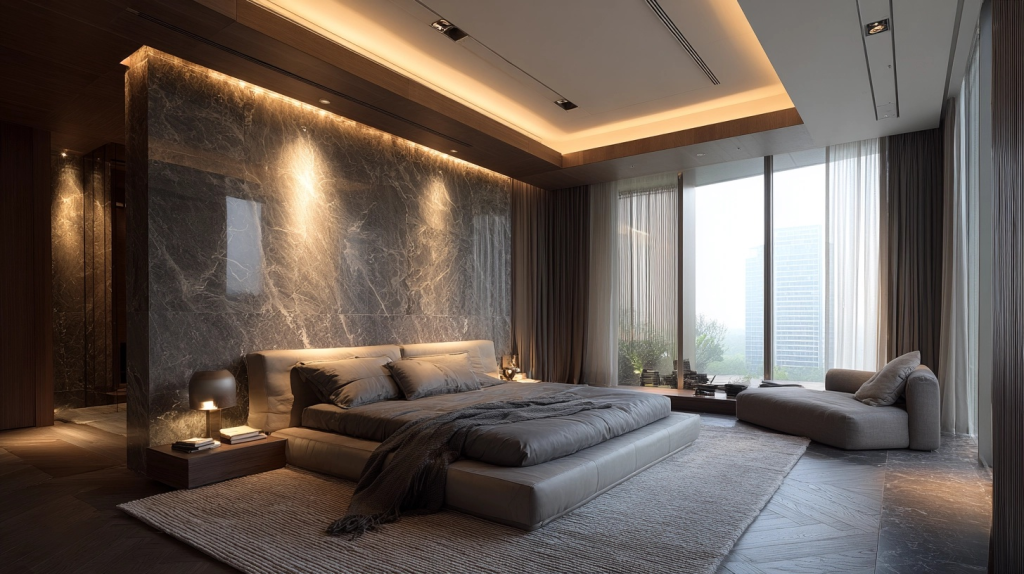
Why You Don’t Need Matching Furniture Sets Anymore
For years, buying a full matching bedroom set was the standard. Furniture brands pushed complete packages because it was simple: one purchase, one look, done. And to be fair, it used to be the easiest way to make sure all the furniture in a bedroom “worked.”
But design has shifted. The rise of personalized interiors, social inspiration, and more diverse furniture styles made it normal to skip the full bedroom set and instead build a space one piece at a time. The result is usually way more interesting than a fully matching bedroom furniture setup.
Here’s why skipping the old-school matching sets can be a win:
- Character: A room with different furniture pieces feels layered and real.
- Flexibility: You can swap one piece of furniture without replacing everything.
- Affordability: You can invest in the largest furniture item (usually the bed) and thrift the rest, like a vintage dresser or unique side tables.
Core Principles of Mixing and Matching Bedroom Furniture
Choose a Dominant Style or Theme
Start by picking one dominant direction for your bedroom design, then let everything else support it. This is your design theme. It could be modern, rustic, coastal, boho, or mid-century modern. When you set a baseline, it becomes easier to choose different furniture that still makes sense together.
For example, if your base is mid-century, you can bring in a more traditional headboard or a contemporary dresser as long as the shapes and finishes feel intentional. If you want a deeper dive into that vibe, this guide on how to style mid century modern is a solid reference for lines, proportions, and styling.
The point is not to avoid contrast. It is to make contrast look planned.
Play with Color Palettes
A strong color palette is basically the cheat code for mixing furniture. Choose a consistent range, then use it to “bridge” styles that might not naturally go together. Think of neutral tones as your anchor, then sprinkle in accent colors for personality.
A simple framework:
- Base: whites, creams, beiges, and light grey
- Woods: pick a dominant wood tone
- Metals: repeat one metal finish in a few places
- Pops: pillows, art, or a statement lamp
This is where furniture colors matter more than exact matching. You can have non-matching nightstands and still create a matching bedroom feel if the overall palette is consistent.
Mix Materials and Textures Thoughtfully
You want variety, but balanced variety. Combine different materials like wood and metal, fabric, glass, and woven accents like rattan. Mixing finishes adds dimension, but avoid placing all the heavy visuals in one area. The heaviness of the furniture should be distributed so the room feels stable and calm.
A few examples that work:
- A wood bed with an upholstered bench
- wood furniture paired with matte black metal lighting
- An upholstered bed with wood-framed nightstands
- Also, keep an eye on wood finishes. You can blend different wood tones, but do it with intention.
Balance Proportions and Scale
Even if your styles are different, the scale needs to feel aligned. Your nightstand should not look tiny next to a chunky bed frame, and a massive dresser can overpower the rest of the room if it is out of proportion.
Quick checks:
- Keep your nightstands close in height to the mattress top.
- Match visual weight: sleek pieces pair best with other streamlined shapes.
- If you use one statement piece, keep other items simpler so the room does not get chaotic.
Tips for Specific Furniture TypesBed Frames and Headboards
Your bed is usually the focal point, so choose it first. If you want the bed to lead the design, pick a strong silhouette like a four-poster bed or a bold upholstered headboard. If your space is smaller, a clean-lined bed frame keeps things airy.
Pairing ideas:
- A fabric headboard with a wood dresser for contrast
- A wooden bed frame with softer upholstered furniture like a bench or chair
- A statement upholstered bed with simpler nightstands so it stays the star
If you are mixing woods, try not to compete with the bed’s tone. Choose one dominant wood tone, then support it with either light wood or natural wood accents.
Nightstands
Yes, you can use two different nightstands and make it look high-end. The trick is to keep scale and function consistent, even if the styles differ. That means similar height, similar surface area, and similar storage needs.
Tips:
- If you want matching nightstands, keep them simple and let other pieces be eclectic.
- If you want non-matching nightstands, repeat one element (like the same metal hardware, similar legs, or similar shape).
- You can also use one nightstand and one bedside table if the layout calls for it.
Also, keep the bedside styling consistent. For example, use a lamp on each side, or at least keep lighting balanced with a wall sconce on one side and a lamp on the other. Even a single matching detail helps pull the room together.
Note: “night stands” are the same idea, but keep your copy consistent across the blog for SEO.
Dressers and Chests
A dresser is one of the best ways to add personality because it takes up visual space and offers practical storage. If you have a modern bed but find a vintage chest of drawers, that contrast can look amazing.
How to balance old and new:
- Let the dresser be the “character piece” and keep other items calmer.
- Update hardware for a subtle refresh.
- Try painted furniture if the shape is great but the finish feels dated.
- Make sure the drawer lines and proportions do not clash with everything else.
If you are worried about wood mixing, choose one grounding tone. For instance, a dark wood dresser can work with warm wood nightstands if you repeat warm neutrals in bedding and decor. You can also blend contrasting wood tones by using an area rug and textiles to soften the transitions and add depth to a room. It is a great way to add depth without buying new furniture.
Easy Ways to Tie It All Together
If your furniture mix feels “almost there,” styling is what makes it click and keeps the room cohesive.
Start with these:
- Area rug: A strong area rug can visually connect a wood bed, mixed nightstands, and a vintage dresser in one move.
- Lighting: Repeat metals with a bedside lamp, a ceiling light fixture, or matching wall sconces. A lamp with the same finish as your drawer pulls is underrated.
- Art and decor: Wall art ties colors and shapes together and helps make a room feel intentional.
Minimalism vs maximalism matters too. If your furniture is bold and varied, keep decor simpler. If your furniture is simple, you can go bigger with textures, patterns, and throw pillows. A single statement pillow plus a few throw pillows can echo your colors and textures and connect everything fast.
For a clean, streamlined look, you might like how to create a minimalist workspace. Even though it is about workspace design, the same principles apply when you are decorating your room with less clutter and more intention.
Common Mistakes to Avoid
Going too random without a plan.
Mixing is not the same as chaos. If you buy different furniture pieces with no shared thread, the room can feel disjointed instead of curated.Clashing styles without contrast strategy.
There is a difference between contrast and conflict. If you want to mix styles, make sure at least one element repeats across the room (shape, color, material, or finish).
Ignoring layout and flow.
Even the prettiest furniture ideas fall apart if the layout is awkward. Leave walking space, keep drawers accessible, and make sure your dresser does not block natural movement. If you have extra media storage, a tv stand should align with the scale of the bed and not overpower the visual center.
Overcommitting to “matching bedroom” rules.
People get stuck thinking everything needs to look like matching bedroom furniture. In reality, a balanced room often looks better when a few items are intentionally different.
Bonus: Wood Tone and Finish Pairing (Without Stress)
If you feel stuck on wood, you are not alone. Wood is tricky because it is both color and texture. Here is a simple approach:
- Choose one dominant wood tone for the biggest wood item.
- Add 1 supporting wood in either lighter or warmer direction.
- Repeat that supporting wood in smaller ways, like wood nightstands or a mirror frame.
If you want a deeper nerdy breakdown on wood selection and how it shows up visually, best wood for desktop can help you understand how grains and tones read in a room, not just on a desk.
Conclusion
At the end of the day, style is personal. You do not need a fully matching bedroom furniture setup to create a space that feels premium. You just need a plan, a smart mix of finishes, and a few repeat elements to pull the room together.
Give yourself permission to test combinations, swap decor, and experiment with different combinations until it feels right. A quick mood board can help you visualize the direction before you buy anything, and it will save you from impulse purchases that do not align with your personal style.
If you want to take it up a level, consider consulting a designer for a one-time layout or sourcing session. Or keep it DIY and build a vibe board, then shop intentionally. If you are into broader style context, it can also help to understand adjacent aesthetics like contemporary vs modern style or higher-end inspiration like italian luxury furniture styles. And if you are anchoring the room with seating, a reference like timeless sofa plus layout logic from what is the 2-3 rule sofa can help you think about proportion and balance across your home, not just the bedroom.