How To Take Care Of Leather Furniture
Leather is a premium material with durability, natural absorbency, and a patina that evolves with time. That is why caring for your leather consistently is essential. Real leather is sensitive to temperature, uv exposure, and grime, so regular care keeps your leather items looking elevated and fresh.
Leather furniture may be tough, but dryness, direct sunlight, heat, and repeated use can damage the leather. Even new leather benefits from early protection to preserve the original color and keep your leather looking high end through many years of use.
For more guidance on maintaining your home pieces, explore the Hold It Home article on how to care furniture.
Common Threats to Leather Furniture
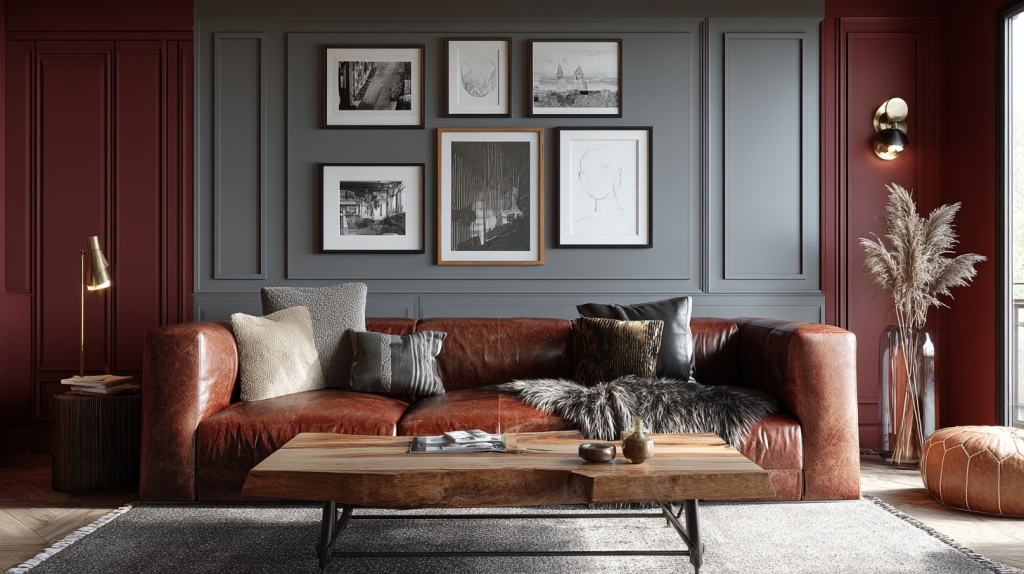
Leather furniture is vulnerable to discoloration, scratches, and stains. Direct sunlight accelerates fading. Heat can dry the fibers. A spill can absorb deep into the material. Even a slight scratch from pets or accessories can leave a mark.
Humidity also matters. Low humidity dries the hide. Excess humidity can invite mildew. Know your type of leather, whether aniline, pigmented, suede, nubuck, or faux leather, so you can use leather care methods that match the finish.
If you want help pairing leather with different textures, explore how to mix furniture styles.
How to Clean Leather Furniture the Right Way
Cleaning your leather does not need to be complicated. Just follow a structured workflow that protects the finish. If you want more home care inspiration, check out Hold It Home.
Remove Loose Dirt
Start with a vacuum to lift loose dirt from seams and corners. This prevents grime from settling deeper.
Test First
Always test your leather cleaning product in an inconspicuous area. This prevents discoloration or reactions that may damage the leather.
Use a Leather Specific Cleaner
Choose a leather cleaner or a leather cleaning product designed for real leather. Mild soaps work when diluted, but avoid harsh chemicals, alcohol, ammonia, or formulas not meant to be used on leather.
Clean with a Gentle Pattern
Use a soft cloth, microfiber cloth, rag, or soft sponge. Move in a circular motion and wipe gently. Clean leather surfaces in small sections to avoid pushing excess cleaner into the hide.
Dry Immediately
Use a dry cloth or soft towel to remove moisture. Do not let it dry under direct sunlight.
If you are designing a workspace that includes leather pieces, explore How to create a minimalist workspace for styling ideas.
How to Protect Leather Furniture from Damage
Protection is key for leather upholstery. Strategic choices maintain the leather look and keep your leather performing well over time.
Reduce Heat and Sun Exposure
Keep your leather sofa or leather chair away from direct sunlight and heat sources. This prevents cracks, fading, and damage.
Maintain Indoor Humidity
Balanced humidity moisturizes the hide naturally. This prevents dryness and helps leather lasts longer.
Add Covers to High Use Areas
Throws, blankets, or protective covers keep the leather safe during regular use.
Keep Pets Groomed
Trimmed claws minimize scratch marks and protect the leather finish.
Use Protectant Sprays
Leather protector formulas prevent stains and add leather protection. Always match the product with your specific type of leather.
How Often Should You Condition Leather
Conditioning is crucial for caring for your leather. Leather loses moisture with repeated use, and conditioning helps moisturize the fibers to prevent cracks and fading.
Conditioning Frequency
Use a leather conditioner every 6 to 12 months. High traffic leather items may need conditioning sooner.
How to Apply
Add a small amount to a soft cloth and massage it gently across the surface. Let it absorb fully. Then buff lightly for a natural sheen. Using a leather conditioner that is brand approved, like leather honey leather conditioner, helps ensure safety.
Why It Matters
Conditioner protects the leather, maintains the original color, and helps keep your leather feeling supple. This is essential for leather products in both living rooms and workspaces. Explore luxury sofas if you are upgrading your space.
How to Remove a Stain from Leather
Stains happen, so act quickly and use clean methods that protect the material.
Step 1
Blot the stain gently. Do not rub. Spreading the spill can push it deep into the material and cause discoloration.
Step 2
Use a leather cleaner or leather cleaning product designed for stain treatment. Avoid oversaturating the leather.
Step 3
Use a damp clean cloth or soft sponge. Clean with a circular motion and wipe excess cleaner immediately.
Step 4
Let it dry naturally. Avoid heat and direct sunlight. Let it dry fully before conditioning.
For custom living room setups, consider the Timeless sofa or browse home inspiration at Hold It Home.
Elevate Your Home with Better Leather Care
Good leather care practices strengthen the appearance and longevity of your leather furniture. Whether you want to clean leather furniture, protect a new leather couch, maintain a piece of furniture you love, or refresh leather upholstery, consistency is everything.
If you are building a full room aesthetic, explore unique furniture and styling guides at Hold It Home. You can learn about premium materials like best wood for desktop setups or mix textures and palettes that complement leather beautifully.