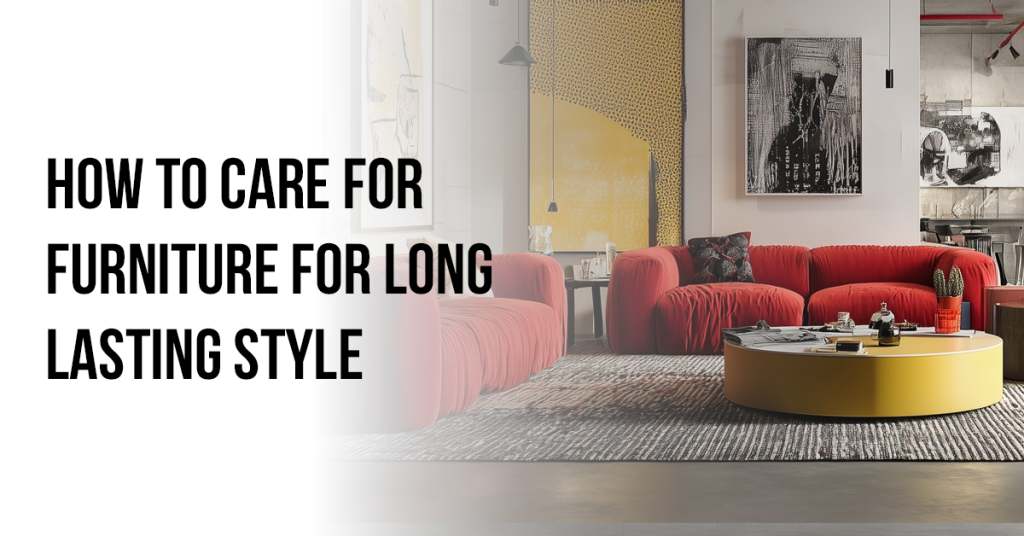
How to Care for Furniture for Long Lasting Style
Taking care of your furniture is a strategic play. Regular maintenance boosts longevity, protects appearance, improves hygiene, and supports resale value. Every material needs a different routine, especially when you are working with wood furniture, leather seating, upholstered pieces, or a fine piece of furniture made from a specific type of wood.
This guide will help you maintain the beauty of every furniture piece without damage. You will learn how to avoid a stain, prevent a scratch, manage residue, and keep spills and stains under control. These insights work whether you are curating a living room, planning a minimalist setup, or refreshing new furniture.
If you are exploring home inspiration, check out resources like the best wood for desktop guide or the full walkthrough on How to create a minimalist workspace. Both tie perfectly into long term furniture care.

General Furniture Care Tips for Every Material
Start with habits that help all surfaces. Keep furniture away from direct sunlight. Materials may fade and finishes can dry out. Solid wood furniture is especially sensitive because wood is a natural material that reacts to heat and humidity.
Use coasters, placemats, or protective pads to prevent rings caused by excess liquid. If you are already using coasters, you are ahead of the game.
Dust weekly with a microfiber or soft cloth. Always wipe along the wood grain to avoid scratching the surface. A dry cloth or clean cloth keeps debris from grinding into the finish.
Avoid harsh chemicals, abrasive cleaners, or products that contain silicone. These can leave residue or harm the finish. Stick to mild detergent mixed with parts water. Just water and wipe gently, then let air dry.
Test cleaners in an inconspicuous area before applying them broadly. The goal is to protect the original finish and maintain the sheen and luster over time.
How to Care for Wood Furniture
Wood furniture elevates any space with warmth and texture. Weekly dusting with a soft cloth or white cloth keeps dirt from embedding. Clean spills quickly to prevent a stain or water stains. Always wipe so moisture does not sit on the wood surface.
Use wood safe polish or paste wax to refresh luster. Apply wax to harden, then buff away any remaining excess. Depending on use, polish every few months. These small habits maintain the beauty even with normal use.
Avoid silicone based products because they can harm the finish. Lemon oil or murphy’s oil soap diluted in water helps clean wood furniture gently. After cleaning, let the piece dry naturally.
If your piece has a lacquer or lacquer finish, do not use abrasive tools. A damp cloth followed by cloth and dry keeps the finished surface streak free. Nail polish remover can help with rings caused by moisture, but use sparingly.
Different wood finishes respond differently. Always check the type of finish and treat the furniture piece accordingly. For delicate items or a fine piece of furniture, consider a professional cleaning service if needed.
How to Care for Upholstered Furniture
Upholstered furniture brings softness and structure to a room. If you are styling around luxury sofas like the Timeless sofa or browsing the full sofa collection, consistent care keeps them looking new.
Vacuum regularly with an upholstery attachment. Rotate cushions to spread out wear. This keeps fabric from aging unevenly.
If a spill happens, blot gently with a white cloth. Avoid rubbing, since friction can set the stain deeper. Spot clean only after testing in an inconspicuous area.
Use fabric specific cleaners or mild detergent solutions for overall cleaning. Protective sprays like Scotchgard help prevent future stain buildup.
How to Care for Leather Furniture
Leather demands a specific workflow. Dust regularly with a soft, damp cloth. For spills, blot immediately to prevent absorption.
Condition with leather cream every six to twelve months. This slows the oxidation process and builds a soft patina over time.
Keep leather away from direct sunlight and excess heat. The material may fade or dry out if exposed too long.
Avoid water based cleaners, harsh chemicals, or products that contain silicone. If desired, use a leather protector for an extra layer of durability.
Seasonal and Long Term Furniture Care
Seasonal upkeep ensures everything stays tight and functional. Deep clean every three to six months. For wood furniture, polish or paste wax application helps restore sheen.
If you are moving furniture or storing it long term, wrap pieces carefully. Elevate them from the ground and choose climate controlled environments.
Use felt pads to prevent scratch marks on floors. Re tighten screws and inspect joints annually. Time and use naturally loosen hardware, so a quick check protects the structure.
How often should I polish wood furniture?
Polish every two to three months depending on use. For delicate wood finishes or lacquer surfaces, polish less frequently. This prevents residue buildup and keeps the original finish intact.
How do I protect furniture from pets or kids?
Use covers, apply paste wax on wood surfaces, and choose stain resistant fabrics. Clean wood furniture with mild detergent solutions and avoid exposing leather or wood to direct sunlight. Rotate cushions often and respond quickly to any scratch, spill, or excess liquid.