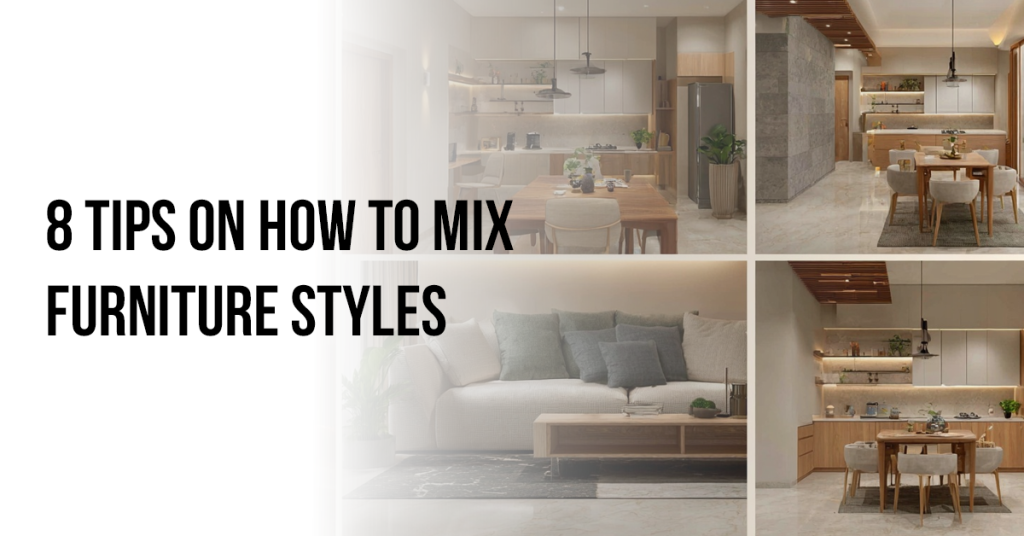
8 Tips on How To Mix Furniture Styles
Building a high performing interior is basically the ultimate mix and match workflow. Modern homeowners want spaces that feel personalized, layered, strategic and visually engaging. And here is the real unlock. Many popular styles like eclectic, boho and transitional are built on intentional blending. When you master the art of mixing furniture styles, you elevate your interior design game and create a unique space that showcases your personality and creativity.
Mixing furniture styles involves combining pieces from different design periods or aesthetics, allowing you to showcase your unique taste while building a cohesive look with a unified color palette. It also lets you create a harmonious blend using furniture choices that feel curated instead of chaotic. Below are eight high impact tips to help you create balanced living rooms, calm bedrooms and elevated interiors that bring multiple styles and colors together seamlessly.
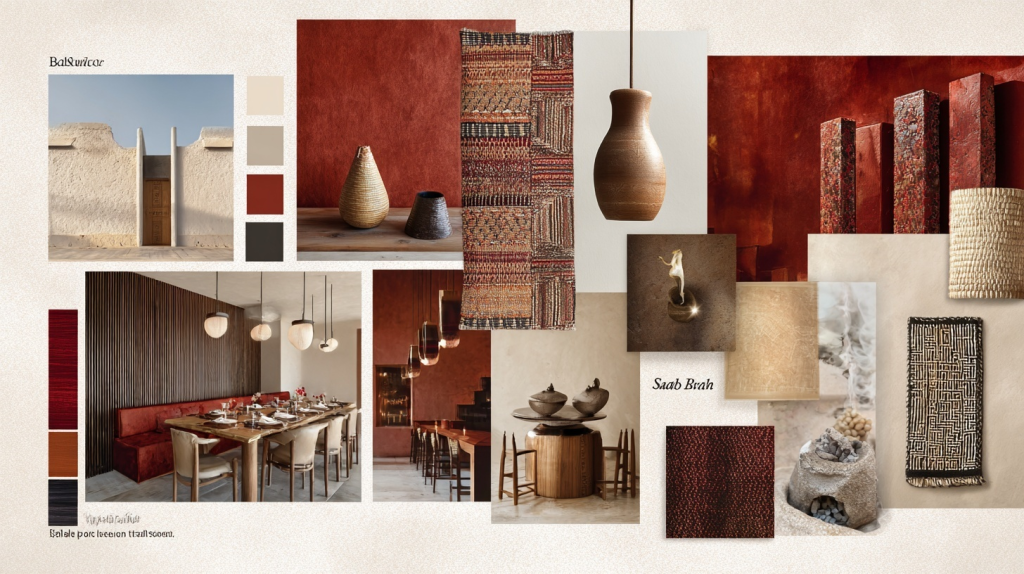
1. Start With a Neutral Base
The smartest way to mix and match furniture styles is to anchor the room with neutral walls and large furniture items. A neutral rug sets the tone for everything else and helps you layer in various styles without overwhelm.
If you are exploring different furniture choices for your workspace, consider reviewing the insights from best wood for desktop at Hold It Home to understand how wood tones influence visual interest and cohesion. Wood tones repeated throughout the room in various shapes help maintain alignment and keep the space grounded.
2. Stick To a Consistent Color Palette
A strong color palette can unify disparate furniture styles and help the room feel intentional. Choose two or three main colors, then build layers with textures, metals, fabrics and contrasting shapes. A consistent palette or wood finish can create alignment even when your furniture items do not match exactly.
Throw pillows in coordinating colors, a patterned rug and matching furniture accents help your room feel cohesive. If you are working on workspace styling, the post How to create a minimalist workspace can guide you on how palette decisions impact productivity and clarity.
3. Use Repetition for Visual Flow
Repetition is your quiet power move. Repeat wood tones, metals, shapes or finishes to make everything feel connected. Matching furniture styles involves combining elements that work together. Repeating materials throughout the room builds a smooth flow that prevents the space from feeling random or disconnected.
If you are pairing modern pieces with vintage items, repetition is what creates alignment. Vintage items that share a palette or wood finish can instantly blend with contemporary furniture.
4. Balance Proportions and Scale
One of the most important tips for mixing furniture styles is balancing proportions and scale. Avoid pairing oversized pieces with daintier pieces of furniture that disrupt the visual weight. Keep seating like sofas, accent chairs and bedside tables at similar heights.
A balanced living room comes together with coordinating colors, consistent scale and strategic accents. A bold coffee table, antique lighting or a modern chandelier can act as focal points that tie everything together.
You can also explore elevated seating options in Hold It Home’s curated collection of luxury sofas to ensure your primary pieces support the room’s proportions.
5. Choose One Dominant Style
Think of your space like a strategic design project. Select one dominant style that sets the tone for about seventy percent of the room. Then use the remaining thirty percent to layer in accents from different design periods. Combining pieces from different design periods or aesthetics becomes easier when one style leads.
This prevents your space from looking chaotic. And if you want a sofa that naturally blends multiple interior aesthetics, consider the Timeless sofa as a transitional anchor piece.
6. Use Transitional Pieces to Connect Styles
Transitional pieces act like strategic bridges between styles. If you are mixing a modern sofa with an antique coffee table, use a neutral console, linen bench or mid century accent to help the styles collaborate.
Furniture pieces that sit in the middle of two aesthetics make it easier to layer in various styles throughout the room. If you need more inspiration or want curated options for transitional living room setups, browse Hold It Home for grounded, design forward solutions.
7. Pay Attention to Placement
Placement is where creativity and strategy really accelerate your interior design game. Group contrasting furniture intentionally to create visual conversations. Pair an antique chair with a modern side table. Place colored furniture next to white furniture for contrast. Add a modern chandelier to add height.
A dining table next to vintage items that share a similar palette or wood finish helps the room look integrated and aligned. Placement builds flow. Flow keeps your room performing at its highest aesthetic level.
8. Trust Your Eye and Edit as You Go
Curation is your competitive advantage. If something feels off, remove it or swap it. A curated look always outperforms a cluttered one. Online interior design strategies often emphasize the importance of editing throughout the room to find balance.
If styles can feel overwhelming or mismatched, simplify until the room feels aligned. Do not stress about pieces that do not match exactly. Instead, leverage coordinating colors, pillows, rugs and shapes to keep the room cohesive.
Can You Mix Modern and Traditional Furniture
Absolutely. Mixing modern and traditional furniture is one of the most high impact ways to create a space that feels timeless and innovative. Modern pieces with vintage items generate visual interest and balance.
Consider pairing a sleek sofa with antique decor, mixing different furniture silhouettes or layering colored furniture with wood tones for texture. A neutral rug to ground the look keeps everything aligned.
How Do I Blend Old and New Furniture
Blending old and new pieces requires clear strategy and purposeful selections. Combining different styles allows you to showcase your unique taste and creativity. Choose a few key pieces, repeat wood tones, align your palette and integrate soft fabrics with hard materials for contrast.
Add a focal point like a modern chandelier or a bold coffee table. Finish with throw pillows, rugs and accessories that support your palette. For deeper skill building, explore an online interior design course today and start experimenting with layouts that allow you to layer styles confidently.
Ready To Transform Your Space
If you are ready to create a harmonious blend of styles or explore furniture sets that help tie the room together, Hold It Home can support your design journey. Whether you are researching the best wood for desktop, improving your workflow with How to create a minimalist workspace, browsing luxury sofas, upgrading to a Timeless sofa or exploring curated offerings at Hold It Home, you are set up to create a high performing, beautifully blended interior.
Ready to bring timeless elegance or a perfectly balanced style into your home? Hold It Home can help you design a space that reflects your personality and stands the test of time. Explore our interior design services in San Diego and schedule your consultation today.